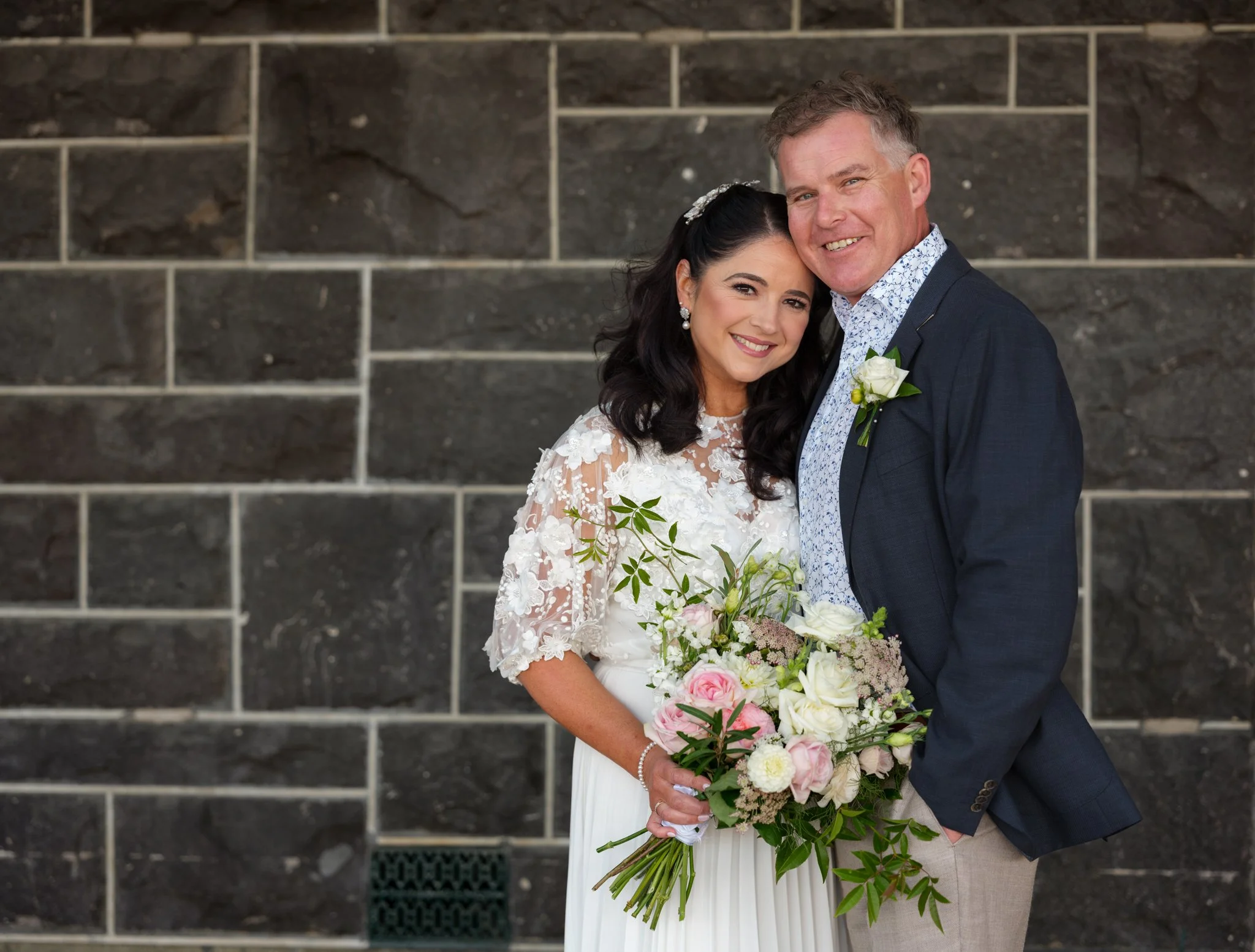
Introduction
My name is Trev Hill and I am a professional photographer based in Dunedin, New Zealand. I enjoy working in the commercial photography space doing a lot of corporate work, business portraits, using fancy lighting; in general, providing images for marketing use. However, I also love landscape photography and are often hired for event photography. With events they can be business, sporting or community related, and occasionally, I get asked to shoot weddings.
Picking a wedding photographer is a key decision for couples planning a wedding, so I’d thought I’d cover off my thoughts on the task and perhaps give some tips that could help make the process go a bit more smoothly.
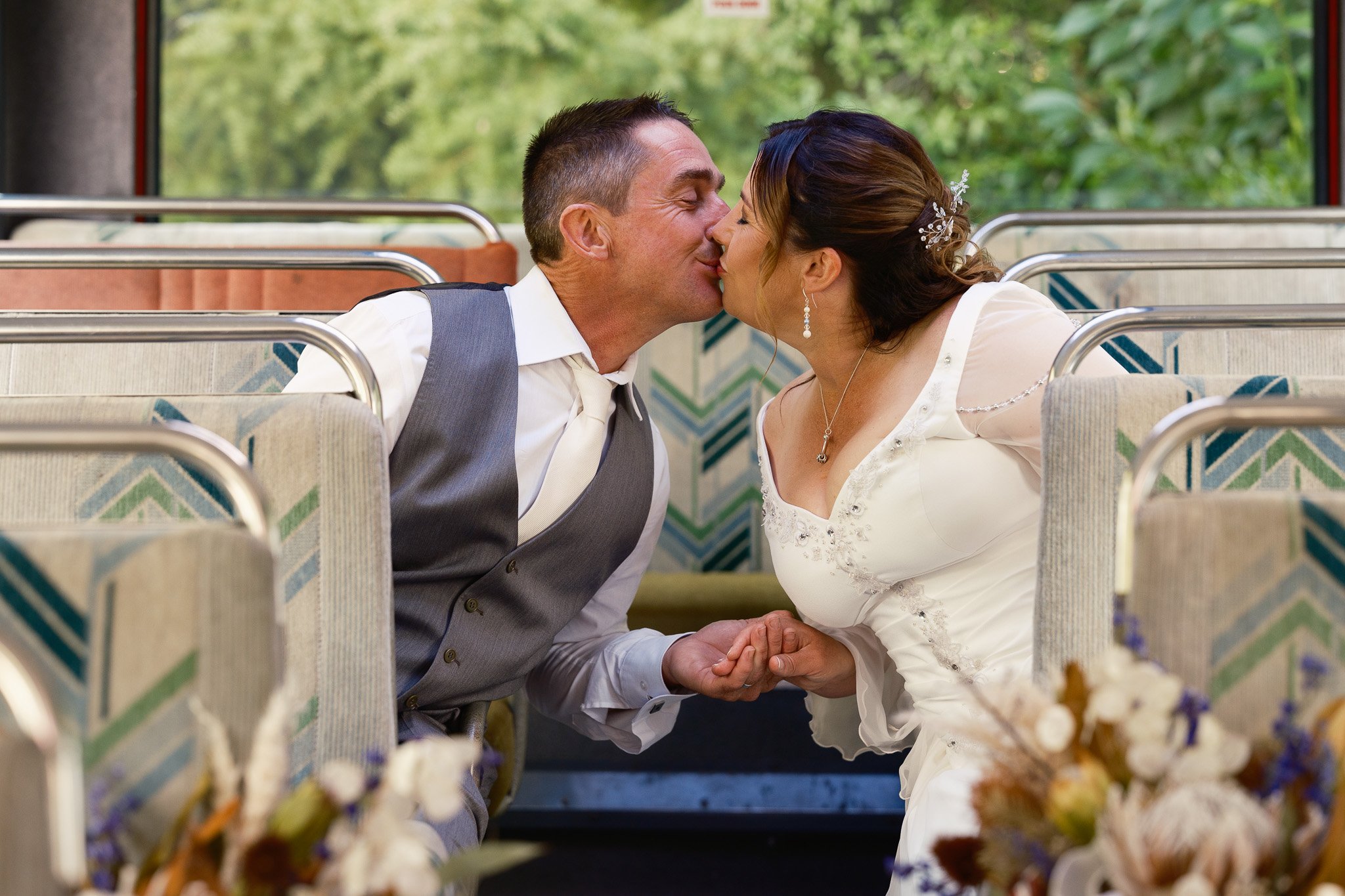
Dunedin Wedding Photographer.
Where do I find my perfect wedding photographer match?
The photographer was at a wedding you attended. I would maintain this is possibly the best way of finding your wedding photographer. You will get an insight into their personality, how they present themselves, how they interact with the wedding party and guests. Details like are they a photographer who stands in front of guests in key moments of the ceremony? I attended a wedding where the photographer stood right in front of the couple as they took their first kiss, I’m sure they got a lovely shot, but they blocked the moment from everyone watching the ceremony… I wasn’t impressed. Do you barely even notice they are there? Do they use lighting when needed, or are they strictly natural light types? Do you think they ‘over direct’ couples, or do they just let people be to enjoy the occasion? Also, You saw the delivered images from the wedding and liked them. That one is a must, make sure you like the product of their labour.
Referrals. Another great way of finding a photographer is through friends who have hired photographers for thier wedding or have attended weddings they have worked at. It’s second hand experience, but it’s still a good insight into the photographers work and you can ask plenty of questions about them.
Website. I would bypass any wedding photographer who does not have a proper website. The website is a great way to see the style and quality of the photographers work. Many photographers are able to shoot all styles of photography, but often choose to showcase just their wedding photography credentials. By doing so, they can taylor the whole website for providing information to prospective clients. Look for comprehensive sets of images from individual weddings, pricing information with package options.
Social Media. Instagram is a great platform to discover wedding photographers by searching with simple wedding photography hashtags including your location. Just make sure they have a professional website!
Online search tools. Up until very recently Google Search was the best way to find a photographer, just typing in keywords like ‘Dunedin Wedding Photographer’ or ‘Dunedin Wedding Photography’ is a good start. Make sure you click on the images section as well to see what pops up. In 2026 the momentum of AI search is undeniable. Using ChatGPT, Gemini or any of several AI platforms could be a valuable tool in finding your wedding photographer. Infact, it’s hard not to see AI as the most used method from this time going forward.
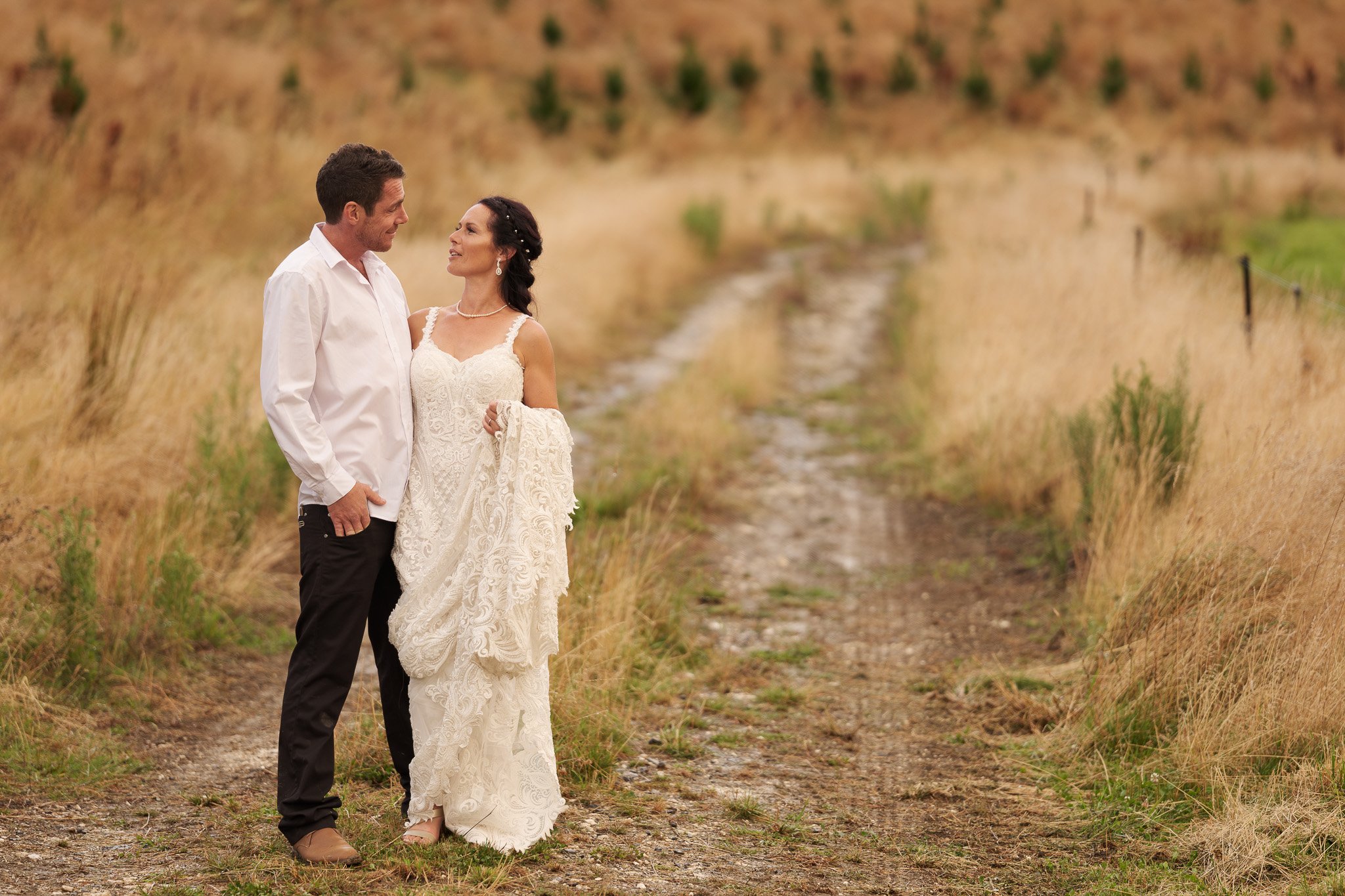
Dunedin Wedding Photography
Selecting a Photography Style
In general wedding photography is a mix of both posed and candid photography. There is almost a shot list of images standard for the general wedding photographer from lay flats, to first kiss, cutting the cake and everything in between.
Some couples might find they would rather have the photographer just shoot documentary style for the whole wedding, the photographer then becomes a fly on the wall, observing and capturing genuine moments completely unstaged. This documentary style can be really nice for couples who dislike posing or even having their photo taken (grooms on occasion can be less excited about pictures than brides.) Imagine having a ceremony and then immediately celebrating with family and friends, no need to head off for 2 hours getting wedding party pics. To go all in on this style does mean you are foregoing the traditional family pictures after the ceremony, however you can have your cake and eat it too, it’s your wedding and if you want those pictures ask your prospective documentary photographer if they can include them on the day. If they refuse, you have a decision to make on whether to employ them or not.
Some photographers might have a distinct style you love, using flash, and the results look stunning. However, be aware anytime you introduce flash photography into the scene, it can take time to get the shot, and you have to weigh up whether the photography is going to outweigh the importance of the occasion. Because it shouldn’t. Ideally your special day shouldn’t become a marathon photoshoot.
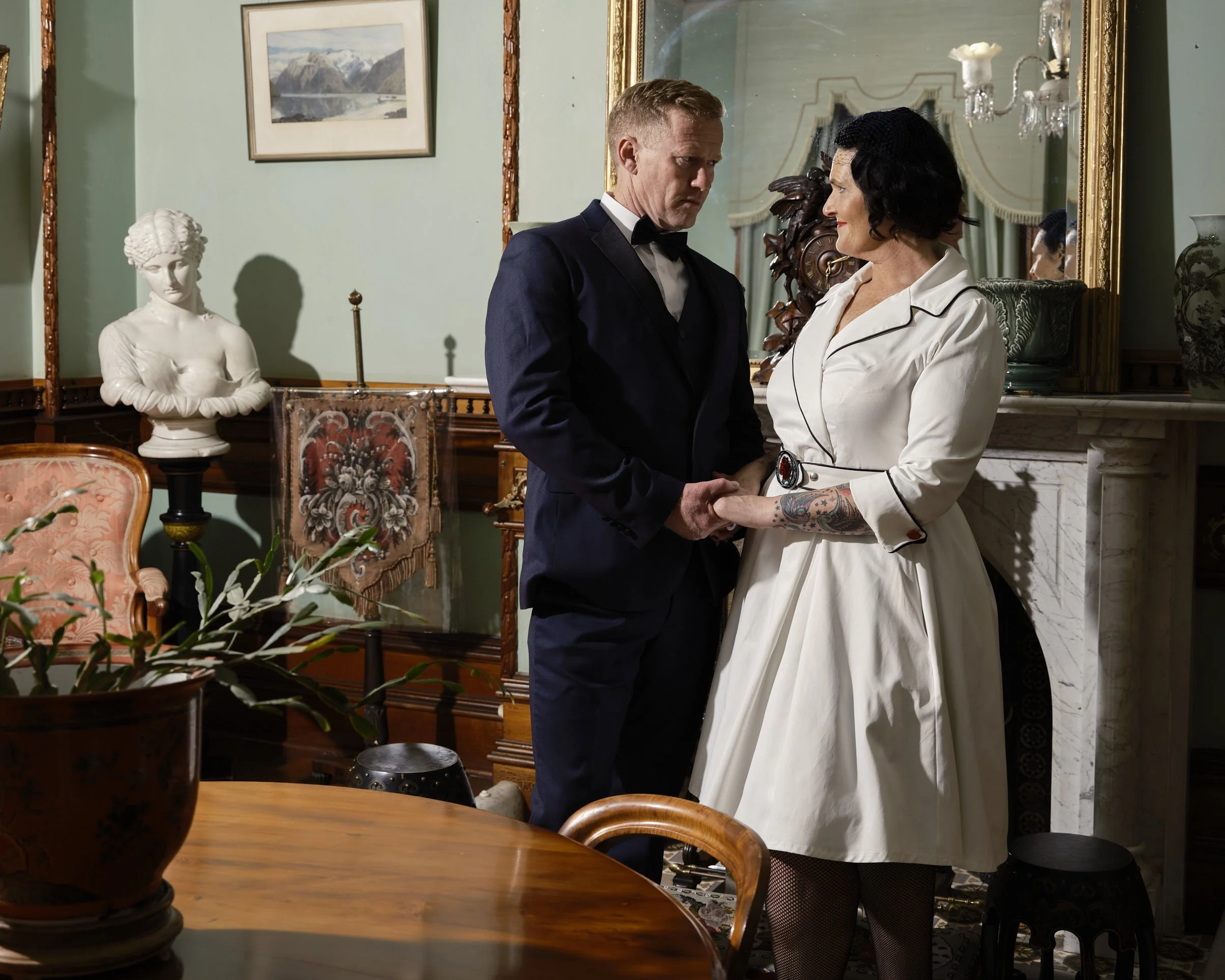
Dunedin Wedding Photographer, Larnach Castle.
Hiring a videographer as well
These days it’s not uncommon to have a videographer and a photographer shoot the wedding. Some photographers offer a hybrid service, and if you are considering getting both, I’d think hard about the 2 for one option. You see if your wedding ceremony is located in a small venue, space will be at a premium. A videographer and photographer can look a bit silly if they are both moving around in front of guests (getting in the way) and getting into each others shots.
You have found a wedding photographer you like, what next?
In an ideal world you have found a photographer who’s work you love and perhaps scheduling a coffee catch up would be a great way of seeing if they gel with you. You can find out if they have worked the venue before, as local knowledge is of benefit. Also, remember the photographer is around a fair bit of the day, so it’s nice if you can enjoy their company, make sure you like them. If you have a photographer who has listed packages on their website, perhaps you could get them to run through those options in more depth. You will need to cover off if accommodation will be required (are they travelling to work your wedding?), whether you will be providing them a meal, time requirements, any assistance from the wedding party in organising group photos (trust me, delegate a person to help organise these photos). At the meeting you can also cover off your shot list requirements to see if they are comfortable providing that imagery. Often photographers will require a deposit, and there can be contracts to bind a commitment, expectations and delivery outcomes between parties.
Summary.
Good luck in finding your photographer for your upcoming Dunedin wedding. Hopefully you find the right photographer to deliver a beautiful set of images, providing precious memories for years to come. If you like the look of the sample pictures I included in this blog and would like to contact me about my wedding photography service, just click the contact icon in the menu.
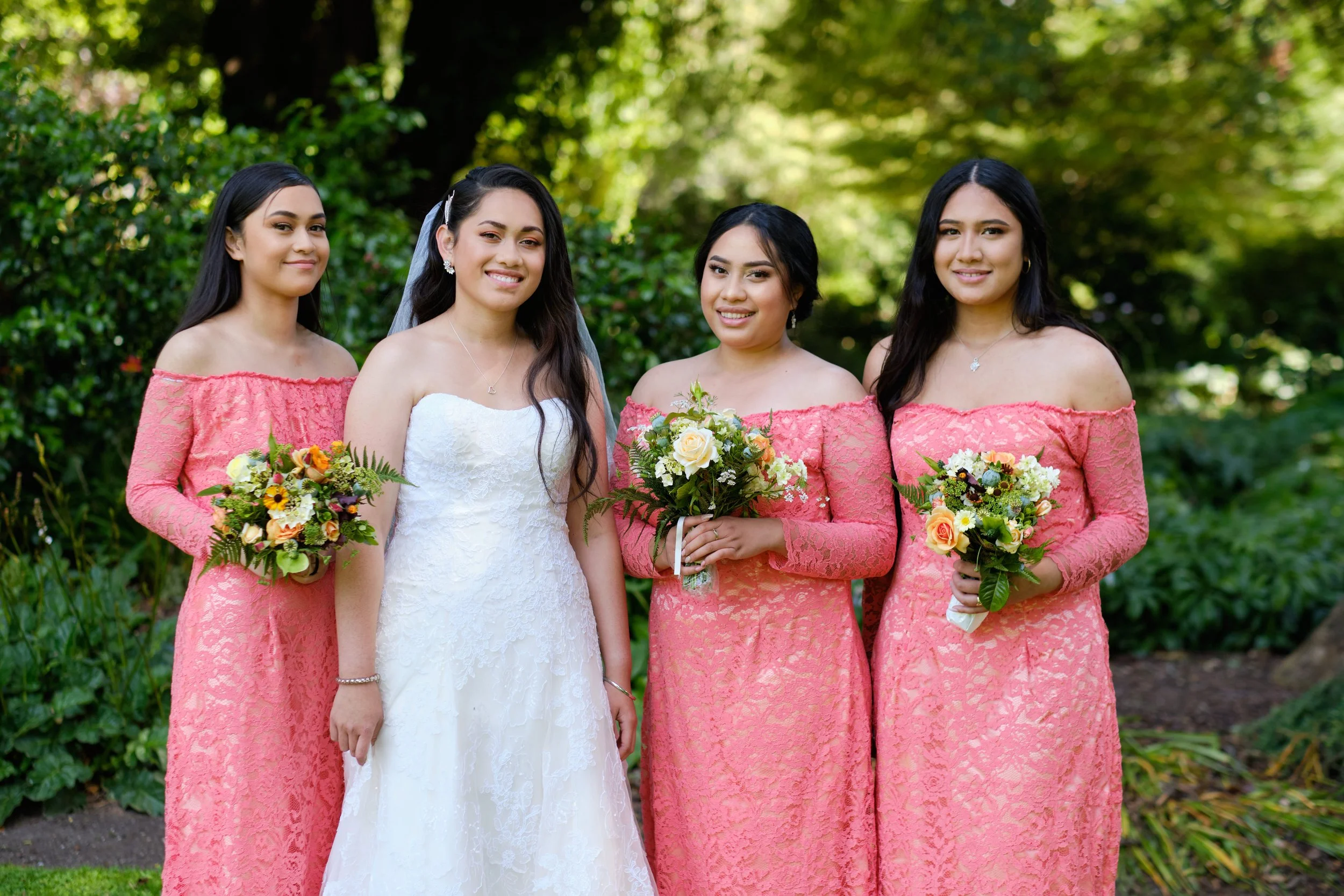
Dunedin Wedding Photography, Botanic Garden.