Xpan Crop on Fujifilm GFX - Flowers with the GF 110mm F2

In Dunedin we recently had a weekend of misty overcast days. These conditions were perfect for soft flat light photography. I had been visiting the Dunedin Botanic Garden to scout a location for an upcoming family photoshoot, when I noticed how lovely the flowers were looking. Under the flat light their colours popped and many were bejewelled with dew drops adding interest to their petals and branches. I had my portrait lens with me the GF 110mm F2 for framing scenes for the upcoming family session, but I couldn’t resist taking a few photos. What started out as a bit of fun turned into a weekend of colour and peaceful relaxation. I hardly ever take images of flowers as I find them hard to compose. However, I thought it might be easier (and fun) for me to manage my compositions by using the XPAN crop ratio option on my GFX. The XPAN crop uses half of the sensor and creates a panoramic aspect ratio of 65:24. I was hoping that the restriction of view would help me create pleasing images.

SATURDAY

All the images I took on Saturday were hand held. Shooting the GF 110mm at f2 with minimal focus distance only gave a sliver of focus plane to work with. So I just experimented with how much i stopped down to get more in focus.

Fujifilm GFX 50sii, GF 110mm @F2.8. ISO 100, 1/250sec.

Fujifilm GFX 50sii, GF 110mm @F8, ISO 160, 1/60sec.

Fujifilm GFX 50sii, GF 110mm @F5.6, ISO 200, 1/80sec.

Fujifilm GFX 50sii, GF 110mm @F3.6, ISO 100, 1/250sec.

Fujifilm GFX 50sii, GF 110mm @F2, ISO 320, 1/1000sec.

Fujifilm GFX 50sii, GF 110mm @F3.2, ISO 100, 1/200sec.

Fujifilm GFX 50sii, GF 110mm @F4, ISO 250, 1/160sec. One of my favourite images from Saturday, and I would return again to this scene on Sunday.

Fujifilm GFX 50sii, GF 110mm @F3.2, ISO 100, 1/200sec.

Fujifilm GFX 50sii, GF 110mm @F3.2, ISO 100, 1/125sec.

Fujifilm GFX 50sii, GF 110mm @F2.8, ISO 250, 1/500sec. Another image I loved. The colours and the almost painterly out of focus areas were very pleasing.

Fujifilm GFX 50sii, GF 110mm @F8, ISO 500, 1/100sec.

Fujifilm GFX 50sii, GF 110mm @F2, ISO 100, 1/320sec.

Fujifilm GFX 50sii, GF 110mm @F4, ISO 100, 1/125sec.

Fujifilm GFX 50sii, GF 110mm @F5, ISO 100, 1/160sec.

Fujifilm GFX 50sii, GF 110mm @F3.6, ISO 100, 1/200sec.

Fujifilm GFX 50sii, GF 110mm @F4, ISO 100, 1/160sec.

Fujifilm GFX 50sii, GF 110mm @F2, ISO 100, 1/160sec.

Fujifilm GFX 50sii, GF 110mm @F2, ISO 100, 1/250sec.

Fujifilm GFX 50sii, GF 110mm @F3.6, ISO 100, 1/125sec.

Fujifilm GFX 50sii, GF 110mm @F2.2, ISO 100, 1/200sec.

Fujifilm GFX 50sii, GF 110mm @F5, ISO 100, 1/125sec.

Fujifilm GFX 50sii, GF 110mm @F3.2, ISO 100, 1/320sec.

Fujifilm GFX 50sii, GF 110mm @F4.5, ISO 160, 1/160sec.

SuNDAY

I really enjoyed the experience of slowing down and taking images of the flowers on Saturday. On Sunday when I returned, I thought I’d be even more deliberate by mounting my camera on a tripod. By doing so I could also look at trying to focus stack some scenes to get more in focus while maintaining a lovely creamy bokeh with out of focus areas. I still just shot with the GF 110mm.

Fujifilm GFX 50sii, GF 110mm @F5.6, ISO 100, 1/25sec.

Fujifilm GFX 50sii, GF 110mm @F5, ISO 100, 1/30sec.

Fujifilm GFX 50sii, GF 110mm @F5, ISO 100, 1/20sec.

Fujifilm GFX 50sii, GF 110mm @F3.6, ISO 100, 1/60sec.

Fujifilm GFX 50sii, GF 110mm @F3.6, ISO 100, 1/60sec.

Fujifilm GFX 50sii, GF 110mm @F2, ISO 100, 1/160sec. Focus stack.

Fujifilm GFX 50sii, GF 110mm @F3.6, ISO 100, 1/100sec. Focus Stack.

Fujifilm GFX 50sii, GF 110mm @F5, ISO 100, 1/160sec.

Fujifilm GFX 50sii, GF 110mm @F2.8, ISO 100, 1/160sec. Focus stack.

Fujifilm GFX 50sii, GF 110mm @F3.2, ISO 200, 1/200sec.

Fujifilm GFX 50sii, GF 110mm @F2.5, ISO 100, 1/125sec. Focus Stack. A repeat visit to this scene I loved so much.

Fujifilm GFX 50sii, GF 110mm @F5.6, ISO 800, 1/200sec. Again another take on a scene I really liked from yesterday.

Fujifilm GFX 50sii, GF 110mm @F4.5, ISO 200, 1/125sec.
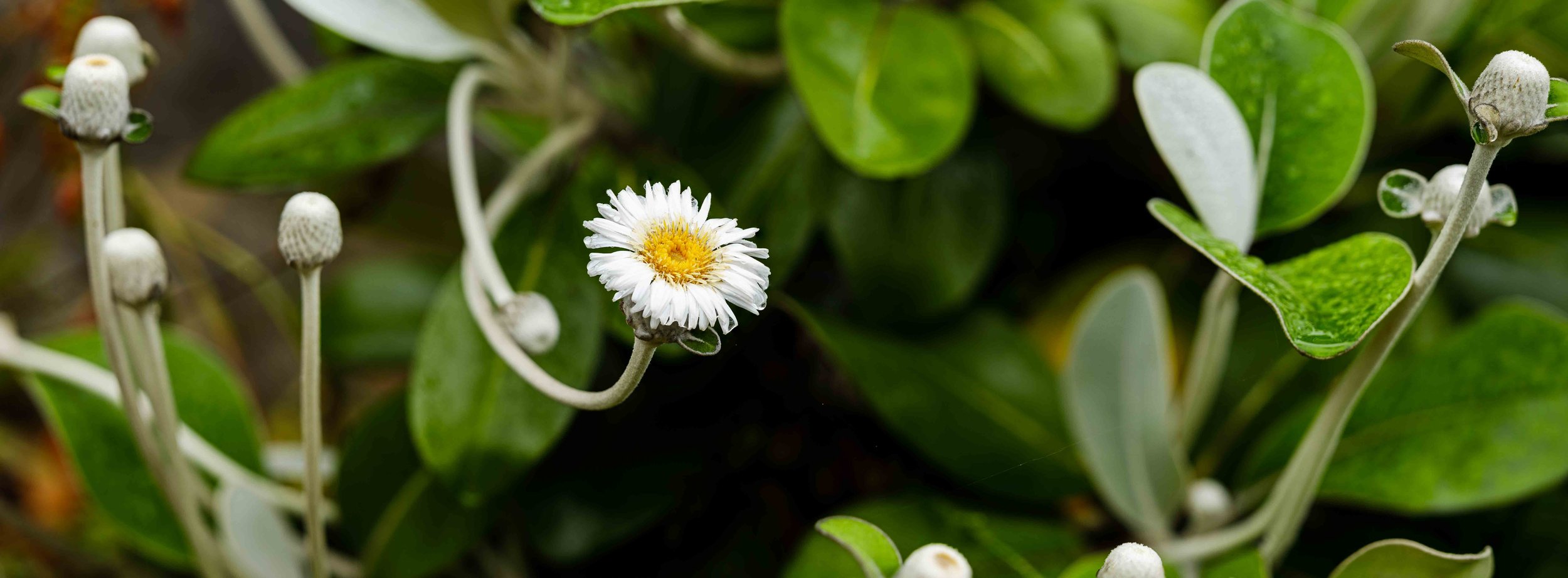
Fujifilm GFX 50sii, GF 110mm @F2.8, ISO 100, 1/125sec. Focus stack, again a scene from yesterday.

I really enjoyed photographing the Dunedin Botanic Garden over the weekend. The fresh colours were an absolute joy to capture. The XPAN crop gave me the ability to more easily compose an ordered image and the GF 110mm performed admirably. Using a tripod gave me the advatnage of setting my composition and selectively focus stacking the image. However a disadvantage was not being able to get the best angle on all occasions as the tripod is not as flexible as the camera being handheld. Finally, a word of thanks to the staff at the Dunedin Botanic Garden who are doing a splendid job on my cities public garden.
Learning Infrared Black and White Photography

Introduction

I was watching Youtube a few months ago when I stumbled onto a vlog about black and white infrared photography. It was a revelation. Photography in full sunshine, in the middle of the day, with stunning results. It sounded like madness but the results I was seeing were stunning. After diving into a rabbit hole on the internet about infrared, I started to think about how infrared would benefit my photography.

  1. Hiking during the day in harsh light isn’t usually an opportunity for photography, now with infrared those conditions are perfect. My quest to document New Zealand’s stunning great walks could be enhanced by bringing both a normal and infrared camera body on trips, carrying one set of lenses for both.

  2. Black and white photography is a non-event in my landscape portfolio and shop. Documenting images in mono could bring a new customer to my online store. www.trevhillshop.nz

  3. Reshooting my favourite honeypot spots around Otago completely reinvigorates my landscape photography.

  4. Getting outdoors in summer is healthy and good exercise for the mind and body.

Camera Conversion or buy a filter?

The quick and fast solution to starting in infrared photography is to buy a simple screw on filter for the front of your lens. The big disadvantage you have with this method is the filter acts like a 10 stop ND and long exposures are needed to get a decent exposure. The main attraction for me with infrared is how the filter renders foliage and grass. I wanted to extract as much sharpness of leaves as I could, so fast shutter speeds are essential. Therefore, the only option was to get my camera converted. I had an old Fujifilm X-E1 camera gathering dust so it was an obvious choice for a conversion job.

Selecting a camera conversion service

There are a few places around the world who convert cameras to infrared. I settled on LifePixel in the USA to do the job for me. I was only interested in black and white photography so I picked the 830nm filter. Sending from New Zealand is a bit of a mission, but LifePixel did a great job, and they even offer a free zoom tutorial to get you up and running. I skipped on the tutorial as making mistakes is the only way I learn, but I thought it was a nice bonus to the service.

My first week of infrared photography

Now I had my camera back it was time to start taking pictures and learn this medium. I figure the best plan of attack for sharing what I have learned so far is to critique my images.

Tunnel beach, Dunedin, NZ. With this image I like the cliffs and water, but the cloud above the cliff is blending too much into the white grass. A cleaner blue sky would have been more dynamic. Lesson 1: Watch what is happening in the sky.

Cabbage trees, Dunedin, NZ. This image is a great example of why you should get a camera converted to infrared as opposed to using an external filter. Cabbage tree leaves blow around even in a gentle breeze. If I had an external filter on my lens this plant would have been a blurry mess due to the exposure time needed. But, with a converted camera I was able to use a fast shutter speed to freeze the action of the leaves. Lesson 2: I really like a minimal look with infrared. A simple composition is easier for the eyes to decipher. Also, the sun was directly behind me on this image and it resulted in very deep tones on the ocean and sky.

The Turf, Dunedin, NZ. The ability to create contrasty black and white images has my head spinning, exploring lines and shapes as much as a subject. Lesson 3: Embrace the blacks and accentuate the whites.

Forsyth Barr Stadium, Dunedin, NZ. I really enjoy how the sunshine is creating pockets of white in this image on the grass, foliage and lichen. Lesson 4: Point the camera at everything, you just don’t know how it is going to look.

Centre Rd, Otago Peninsula, Dunedin, NZ. I like the horses grazing on farmland, but the sky in this image could have been epic if I had waited a little longer for the clouds to drift across. i feel the grass is a little flat as I didn’t have a solid foreground element. So all in all, not my best work but a good learning image. In the next photo I address this issue.

Highcliff Rd, viewpoint, Otago Peninsula, Dunedin, NZ. A big improvement from the image above, as I included a strong foreground element (the fence) leading to the trees. I noticed clouds drifting over the sun, so, I waited for the dappled light to create interesting shadows on the white grass before I took the shot. If I had taken the image without the cloud shadows the grass would have had no texture and contrast. Lesson 5: Clouds can be helpful in creating depth on ‘white’ foreground grass.

Henley-Berwick Road, Dunedin, NZ. This image took advantage of the morning fog cloaking the Maungatua range in the background. Lesson 6: Manmade objects often go dark in infrared, so make excellent leading lines as they dissect the ‘white’ infrared grass and foliage.

Henley Berwick Road stream, Dunedin NZ. I was nearly pointing the camera toward the sun in this image. I’m not sure if that was a good move, but I managed to extract plenty of contrast in post. I am yet to figure out if the histogram in the camera is of any help, or if I am best to eyeball exposure through the viewfinder. This is an evolving tip, but I am leaning toward exposing to what I see in the viewfinder.

Hut at Waipori water station, Dunedin, NZ. Here the infrared effect is very obvious, but the more I look at this, the more it looks like a hoar frost in winter.

Picnic table at Lake Waihola, Dunedin, NZ This image is really surreal, the almost glowing white willow foliage is nuts. Lesson 7: I got low here to try and separate the white foliage of the willow branches with the dark sky. Overall this image shows excellent separation of elements via black and white tones.

Titri creek track, Lake Waihola. I’m so glad I got my camera converted, just so i can take loads of pictures of cabbage trees. I love them, they look like something out of a Dr Suess illustration. Tip 8: Embrace the surreal.

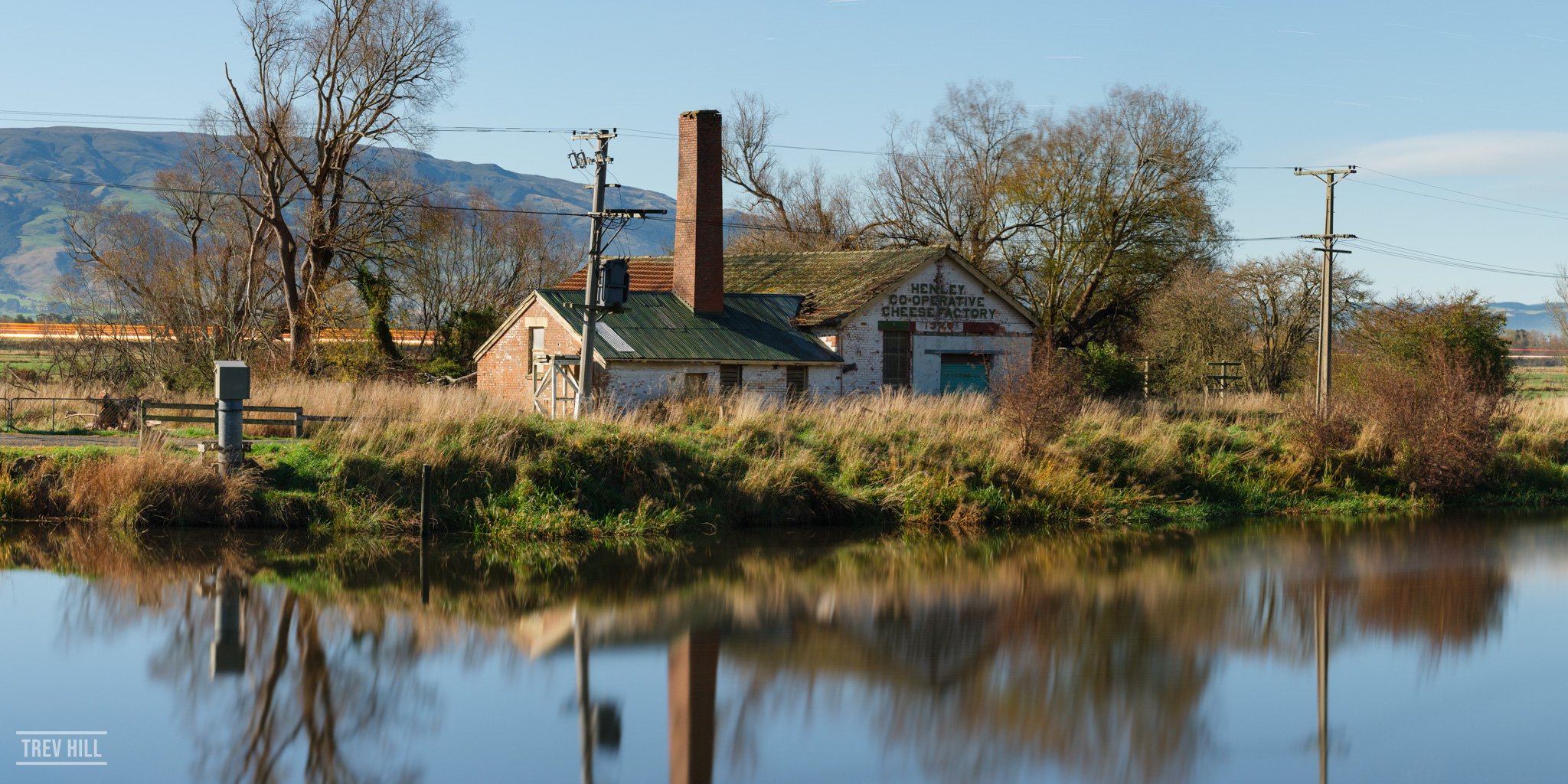
Henley Co-Operative Chees Factory, Dunedin, NZ. Not all infrared images need to scream I am infrared. In this shot the infrared luminescence of the foliage helped sculpt out highlights around the central subject of the cheese factory bathed in sunlight. Lesson 9: Embrace subtlety as well as surreal.

A week of learning

I have to say my first week of Infrared photography was a real joy. I feel like I am gathering plenty of experience to help refine my approach to the genre. When the next sunny day happens in Dunedin, I will be out taking images. If you would like to see more of my infrared work in future, I have started a Vero account @trevhill. The platforms dark display layout is perfect for black and white photography. I look forward to catching up with you there.

Shooting XPAN crop on Fujifilm GFX

The Hasselblad Xpan is a much loved film camera, famous for its panoramic images. The camera used two 35mm segments to create an image. Jump forward into the digital age and camera manufacturer Fujifilm has included an xpan crop (65:24) inside its range of GFX cameras. I thought it would be a bit of fun to use the crop on a visit to my local beach.

Waldronville beach, late afternoon sunlight warms the dune grass.

Shooting into the sun.

View back toward carpark.

Another into the sun.

Where the grass meets the beach.

View toward Blackhead.

I love the Xpan crop on the Fuji. It works well for images lacking a strong foreground or perhaps are more linear with their subject matter.

Zeiss Ikon Contina